Enhanced Competitor Comparison Tool for Better Insights
Feature
Oct 21, 2024
In modern chemical plants, millions of data points shift every second. A subtle change in temperature, a sudden rise in pressure, or a slight vibration of a valve may indicate potential safety risks. Relying solely on human experience to monitor and interpret these signals often leads to delayed responses, and valuable expertise can be lost as personnel change over time.
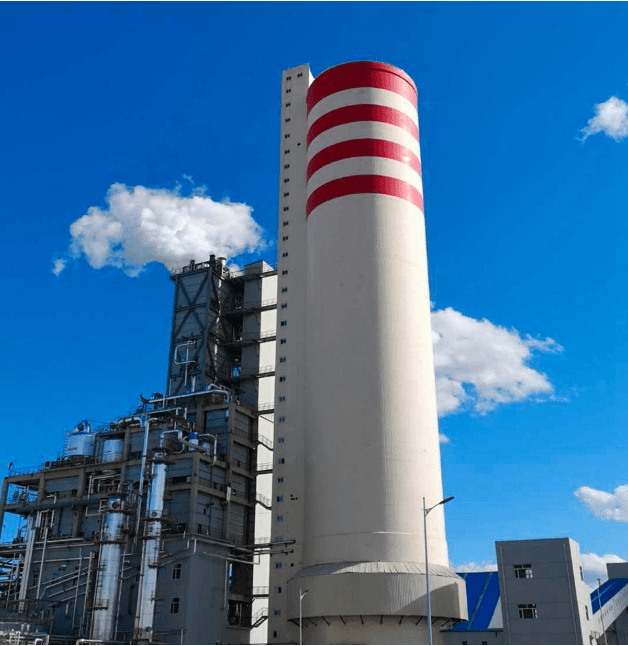
Xiaoyuan AI was created to address these challenges: a decision-support system designed to enhance plant operations without interfering with existing safety mechanisms, enabling safer, more efficient, and smarter production management.
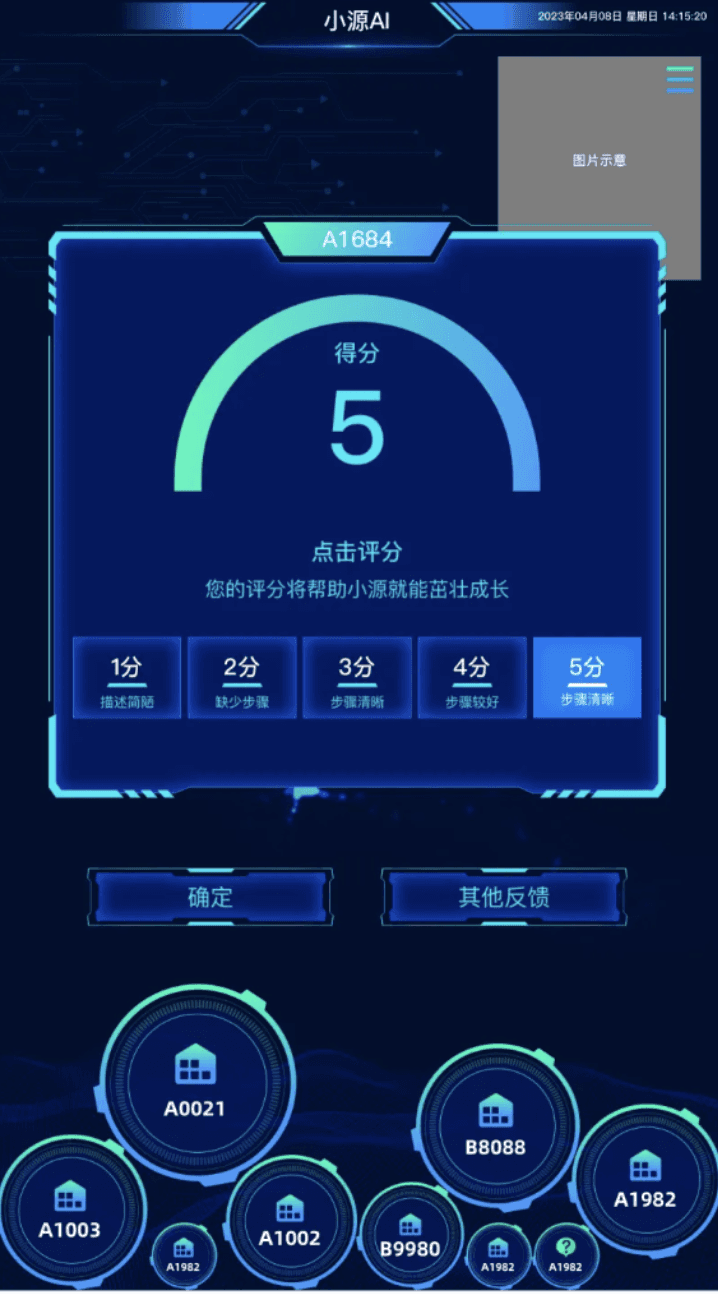
Intelligent Interaction: From Monitoring to Decision-Making
Xiaoyuan is more than a monitoring tool; it is an intelligent partner for the plant.
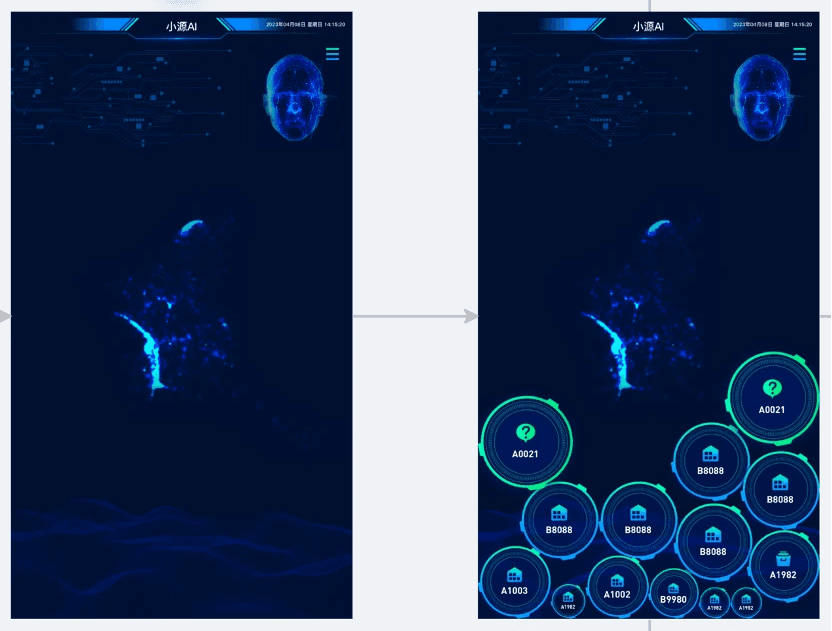
When the DCS system detects an anomaly, the interface displays a floating bubble:
Blue bubble: a known issue, accompanied by Xiaoyuan’s judgment and a recommended solution.
Green bubble: an unknown issue, prompting engineers to provide feedback and guidance.
Through this design, a closed-loop collaboration is established: AI captures and classifies anomalies in real time, while engineers contribute professional expertise for validation and refinement
Self-Learning and Knowledge Retention
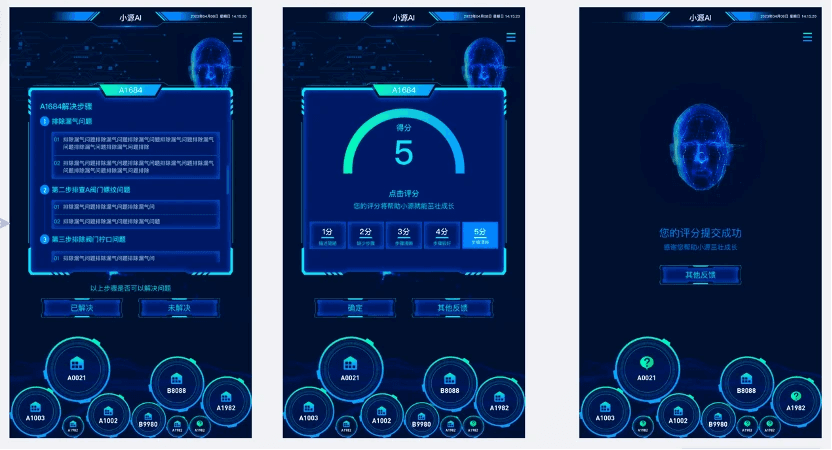
At the core of Xiaoyuan is a self-learning database that transforms every human–machine interaction into new organizational knowledge.
Engineer feedback is stored, categorized, and optimized in real time, gradually building a sustainable knowledge base. As the system continues to learn, it becomes increasingly accurate and efficient in anomaly detection, event classification, and solution generation. In this way, tacit expertise is digitized, retained, and continuously enhanced
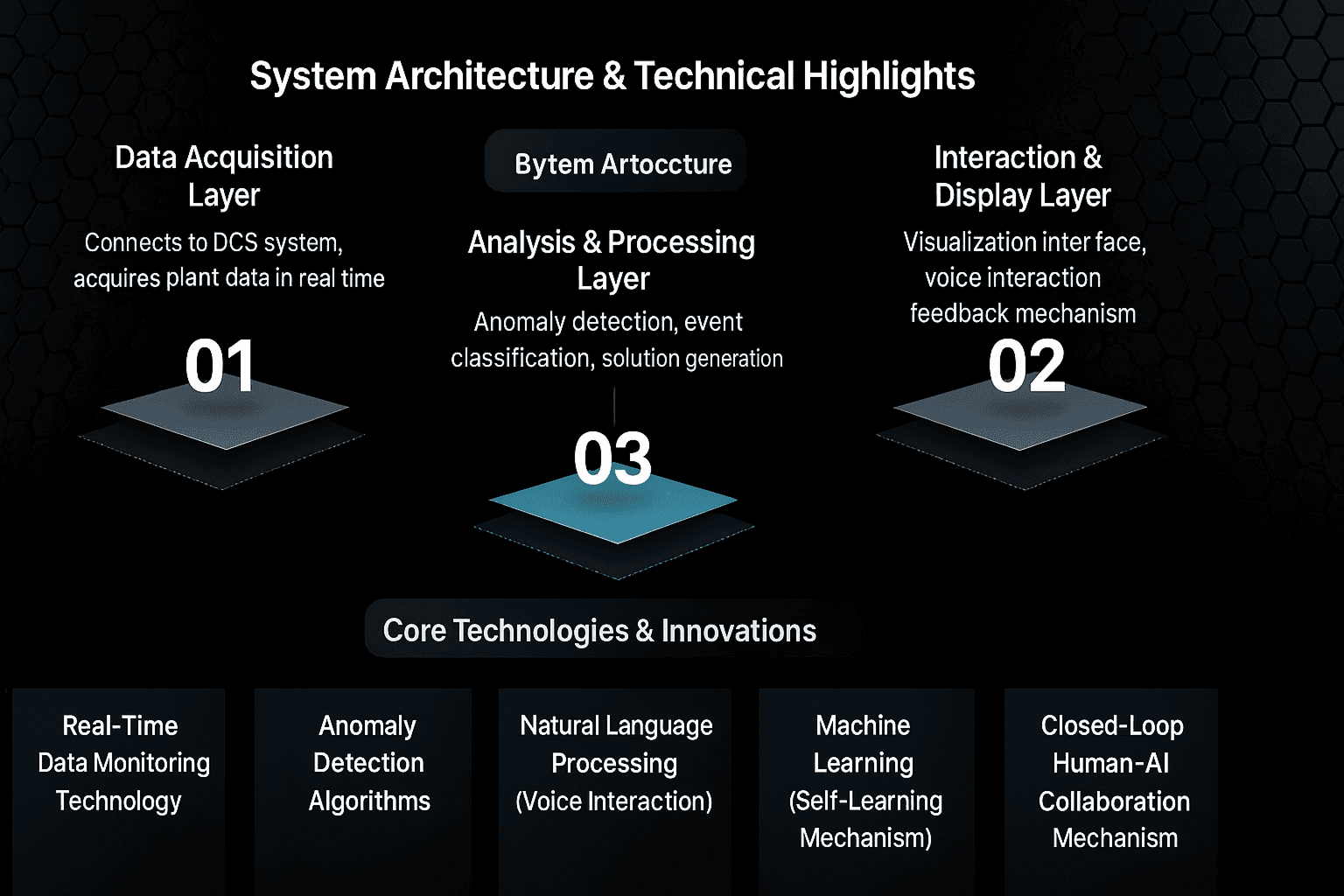
Technical Architecture and Framework
Xiaoyuan’s architecture consists of three layers:
Data Acquisition Layer: real-time integration with plant DCS systems.
Analysis and Processing Layer: anomaly detection, event classification, and solution generation.
Interactive Display Layer: visualization and voice-enabled interfaces for human–AI collaboration.
The system is powered by the proprietary Nexus framework, a high-performance architecture designed specifically for industrial time-series data. Nexus achieves up to tenfold performance improvements over conventional databases such as InfluxDB, while maintaining a lightweight, low-maintenance, and highly scalable profile
Project Value
Enhanced Safety: real-time monitoring and anomaly alerts reduce accident risks.
Operational Efficiency: rapid identification and resolution of problems shorten response cycles.
Knowledge Retention: engineers’ expertise is preserved and institutionalized as a long-term asset.
Continuous Evolution: self-learning mechanisms adapt to new production scenarios.
Human–AI Collaboration: combining computational power with human judgment ensures actionable, reliable decisions
Looking Ahead
Xiaoyuan AI is not only a production support tool of today but also a cornerstone of the chemical industry’s future digital transformation. It is driven by data, enriched by knowledge, and safeguarded by human–AI collaboration.
As expressed at the end of our project:
“Beneath the vast starry sky, we move forward with courage.”